

While the core of a livestock internship revolves around animal care, the modern farm operates as a sophisticated small business. A paid internship is a chance to develop high-demand, non-animal skills that are transferable to any career path, inside or outside of agriculture.
1. Data Management and Technology
Today’s livestock operations rely heavily on data for efficiency and profitability. You won’t just be feeding cows; you’ll be managing complex records.
- Precision Management: Learning to use specialized farm software (e.g., herd management systems, financial trackers) to record and analyze data on feed conversion ratios, production yields (milk/meat), and individual animal health history.
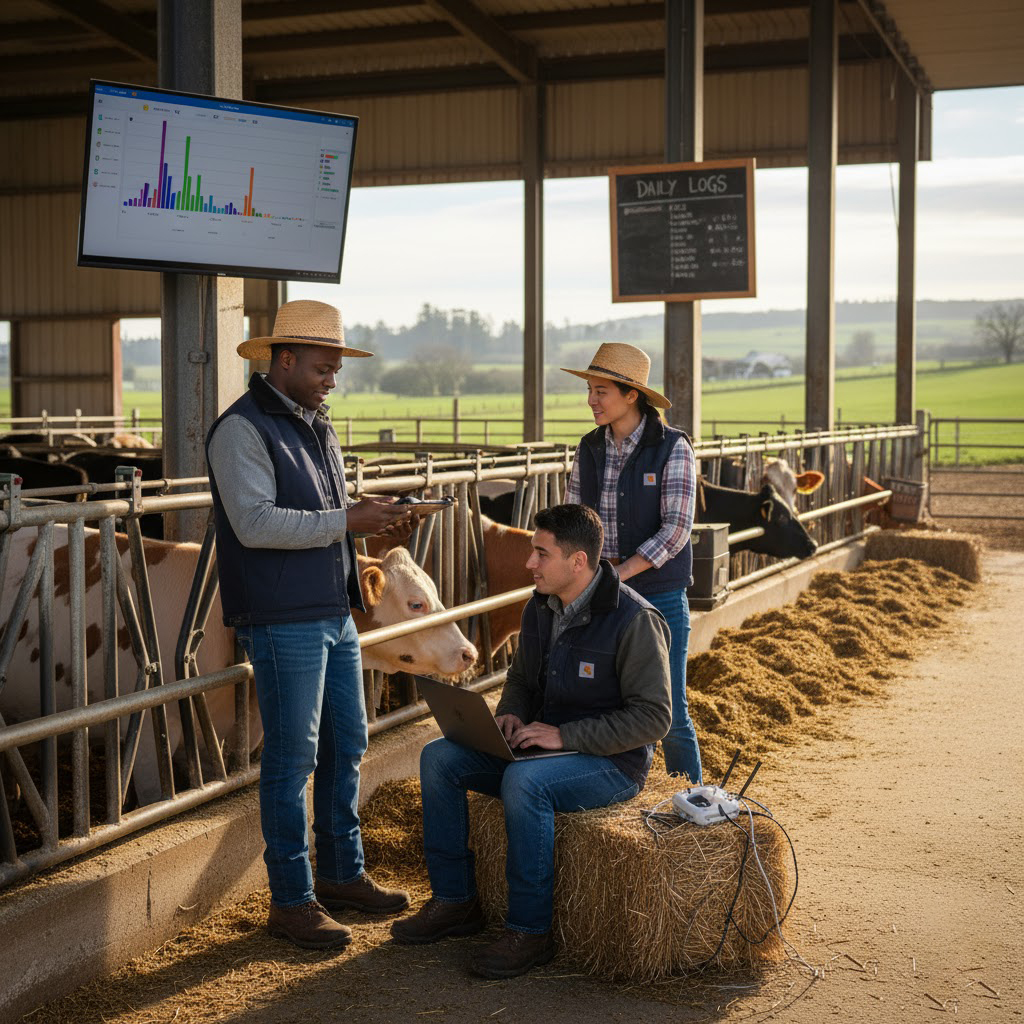
Inventory Control: Tracking critical supplies like veterinary medicines, vaccinations, feed ingredients, and fuel, which is a core supply chain management skill.
Equipment Tech: Exposure to GPS-guided feeders, automated milking systems, and remote monitoring tools, building valuable agricultural technology knowledge.
2. Business Acumen and Financial Literacy
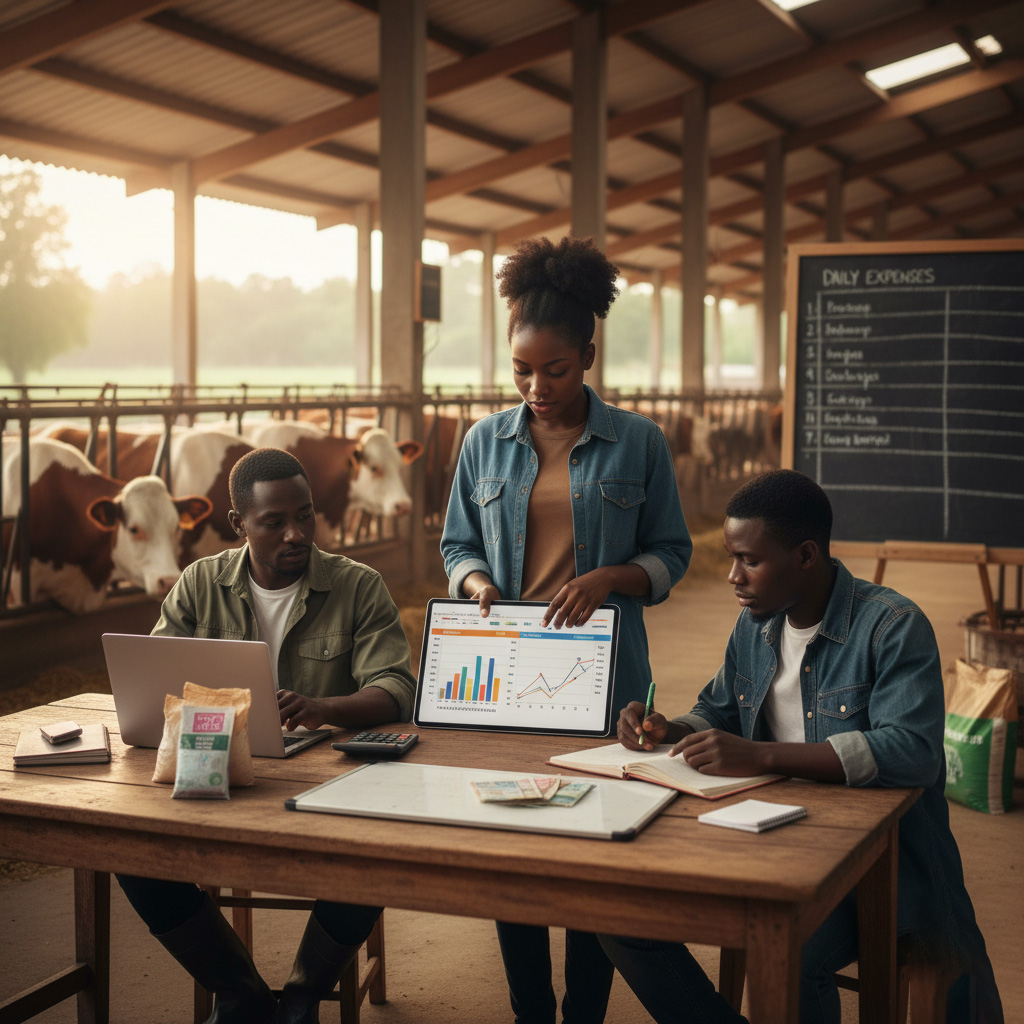
Farmers are business owners, and interns often get a crucial look behind the scenes at the farm’s financial health.
- Cost Analysis: Understanding the difference between fixed and variable costs (e.g., property tax vs. feed cost) and how daily decisions impact the bottom line.
- Budgeting Basics: Seeing how operational budgets are created and adjusted based on market prices, feed costs, and unexpected expenses (like a sudden illness in the herd).
- Profitability Focus: Learning to link management decisions directly to profitability for example, calculating the return on investment for a new feed supplement or a facility upgrade.
3. High-Value Soft Skills
These life skills are consistently ranked as the most important traits employers look for, and farming is the ultimate training ground for them:
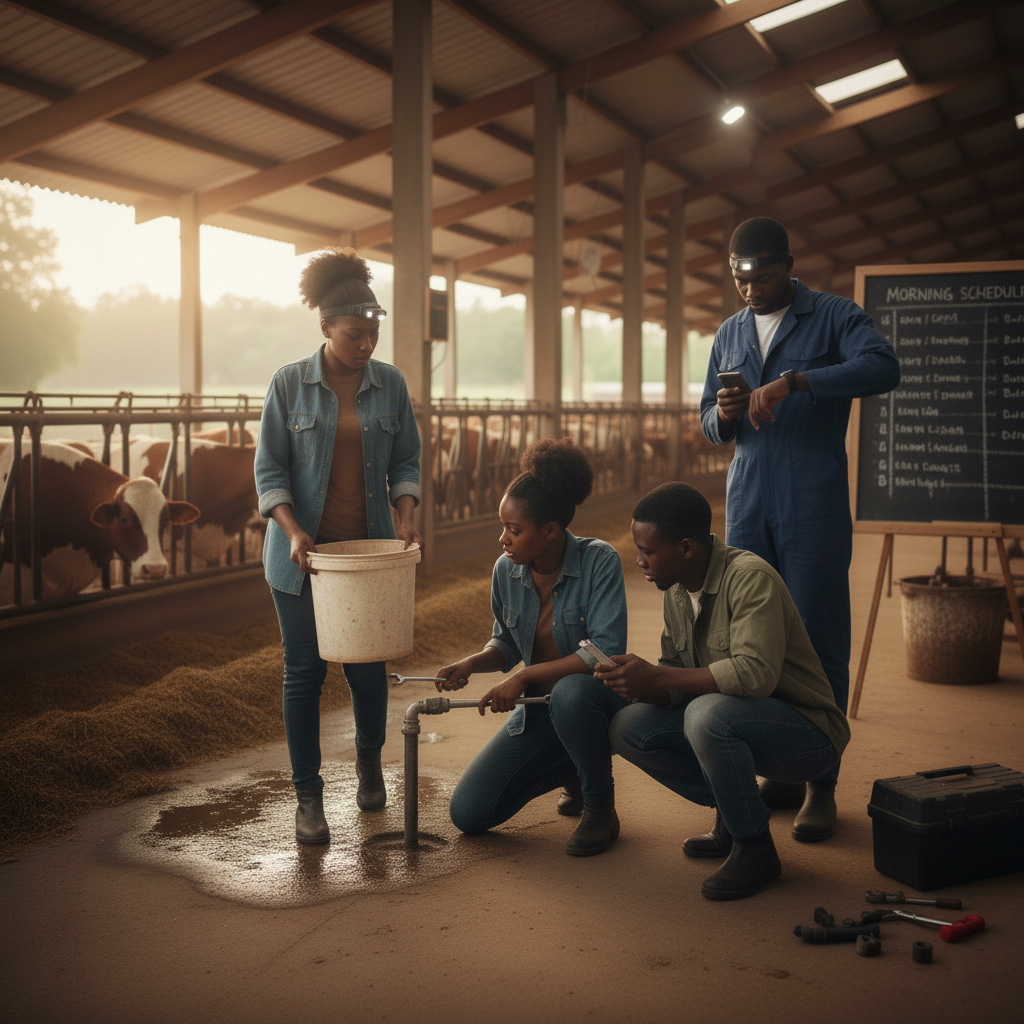
- Problem-Solving & Critical Thinking: The farm is unpredictable. When a water line breaks, a piece of equipment fails, or an animal shows signs of distress, you must assess the situation, think critically, and implement a solution immediately. There’s no time to wait for a manager.
- Time Management & Work Ethic: The animals rely on a strict schedule. This internship will instill an unparalleled sense of responsibility and the ability to prioritize tasks (feeding the herd takes priority over cleaning a truck) to meet non-negotiable deadlines.
- Communication and Teamwork: Farm work is collaborative. You’ll learn to communicate clearly and concisely with farmhands, family members, veterinarians, and nutritionists, often delegating tasks and working as an efficient unit to handle large-scale operations like herd moves or vaccinations.
By the end of a paid internship, you’ll not only be an adept stockman or woman but also a professional equipped with essential data, finance, and leadership skills that are highly valued in any sector of the modern workforce.