

Danish Farms: A Model of Animal Welfare and Efficiency
Danish agriculture is renowned worldwide for its high standards in both animal welfare and production efficiency. This isn’t a happy accident, but rather the result of a concerted effort across the industry, driven by innovation, strict regulations, and a deep-rooted commitment to sustainable practices. So, what exactly makes Danish farms leaders in these crucial areas?
A holistic approach to animal welfare
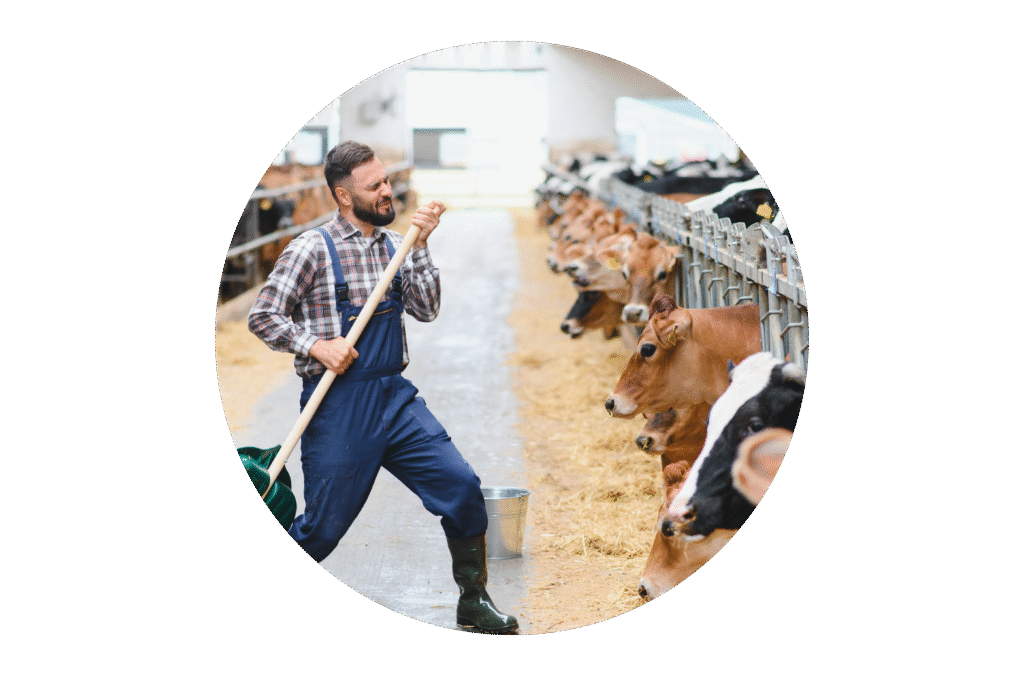
In Denmark, animal welfare is not just about meeting minimum requirements; it’s about striving for optimal conditions that promote the health and well-being of the animals.
Robust legislation and strict controls
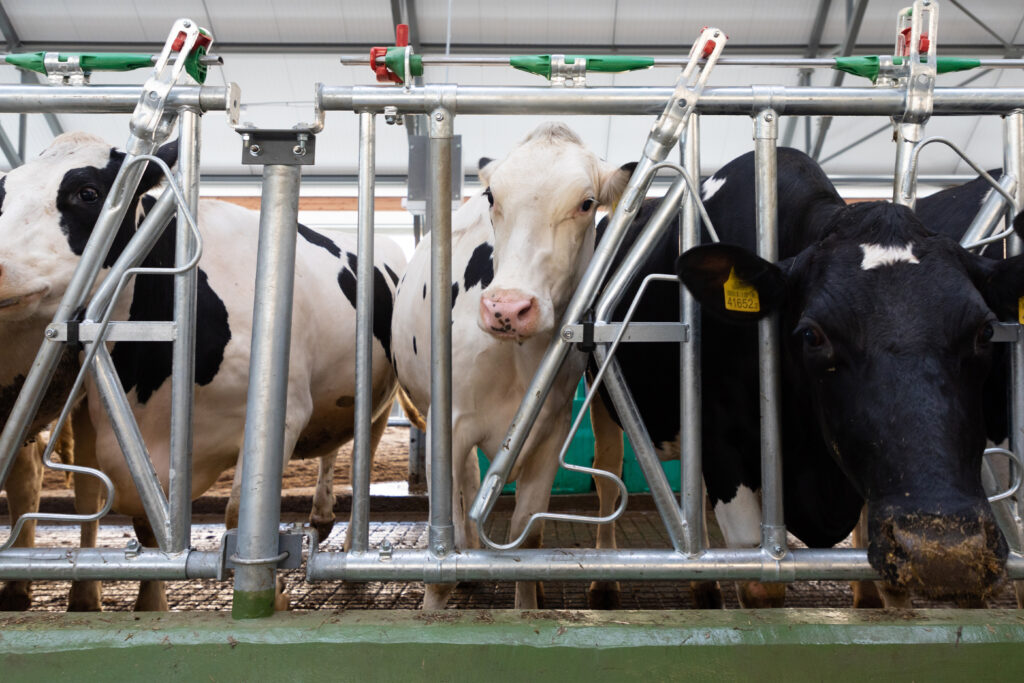
Danish animal welfare legislation is among the strictest globally. It covers everything from housing conditions, feeding, and transport to veterinary care and humane slaughter. Regular, unannounced inspections ensure compliance, with severe penalties for violations. This rigorous oversight creates a culture where welfare is prioritized.
Focus on health and prevention
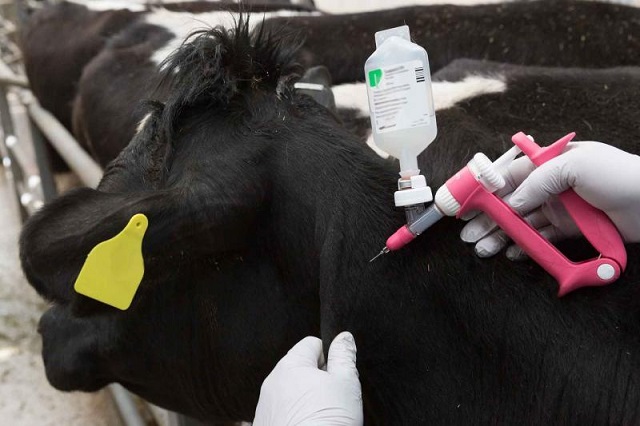
Prevention is key. Danish farms invest heavily in biosecurity measures, vaccination programs, and early disease detection to minimize the need for antibiotics. Healthy animals are productive animals, and this proactive approach reduces suffering and improves overall farm efficiency.
Innovative housing and enrichment
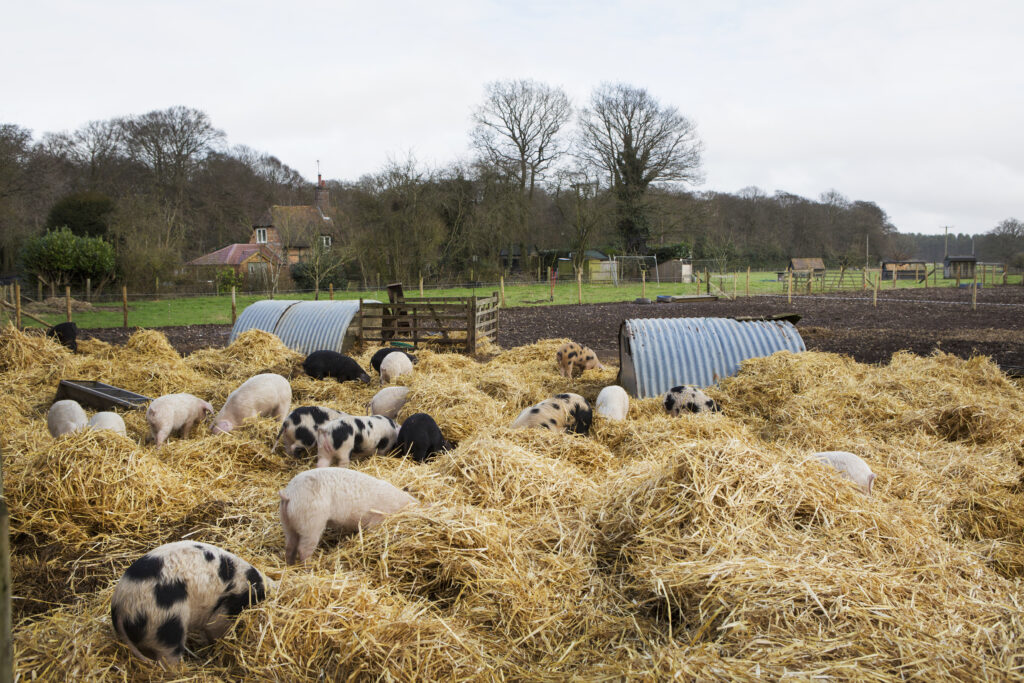
Modern Danish farms often feature innovative housing solutions designed to maximize animal comfort and natural behavior. For pigs, this might include farrowing pens that allow sows more freedom of movement, or enrichment materials like straw and toys to prevent boredom. For cattle, spacious barns with comfortable bedding and access to outdoor areas are common.